
0124/7 weatherproofing
Emergency Roof Repair
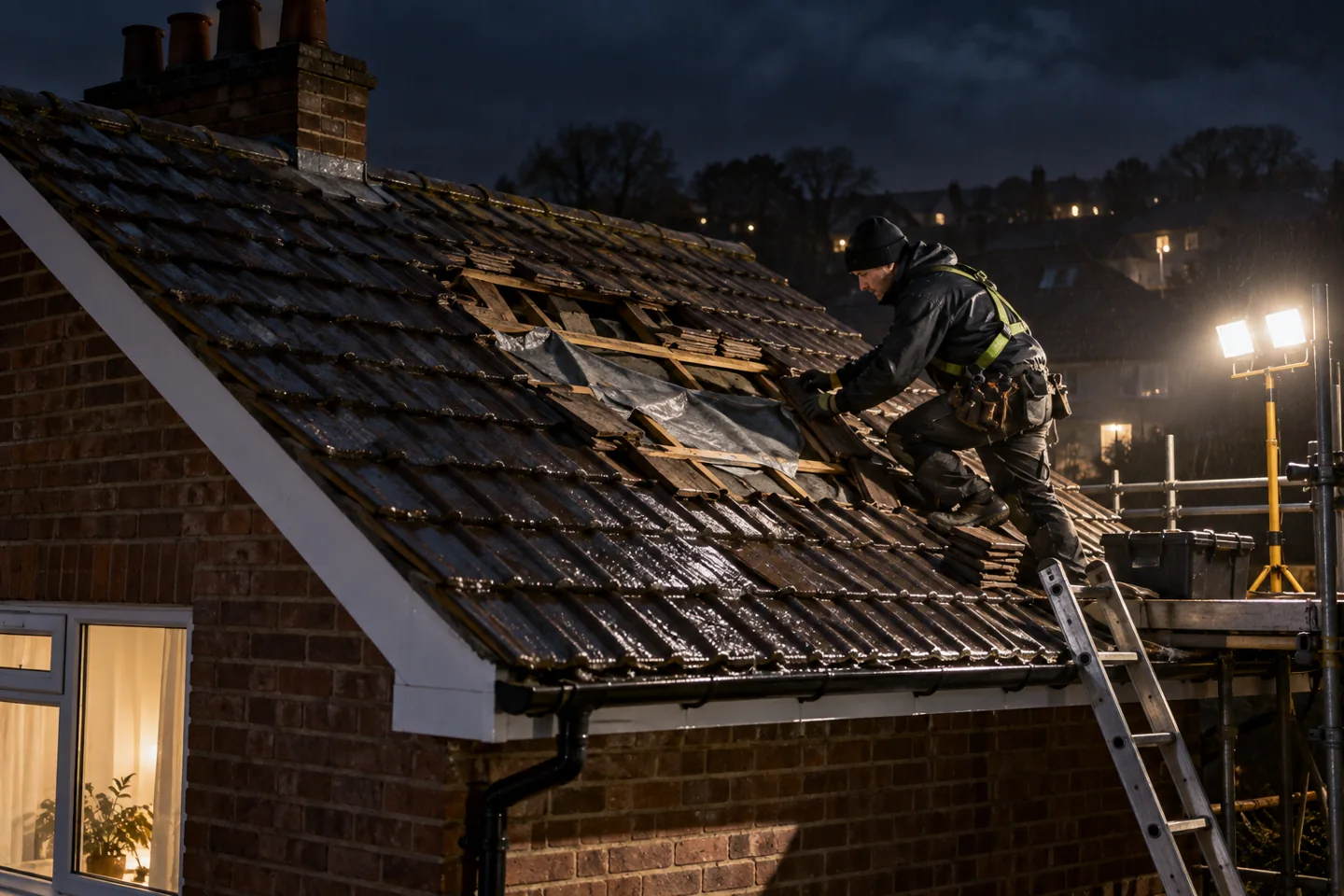
An open roof needs protection first. Discuss loose coverings, sudden leaks and the safest way to limit further damage.
Explore service ↗Choose the defect or roof detail that best describes the work. Each guide explains what is checked, which details help and what can affect the price.
An open roof needs protection first. Discuss loose coverings, sudden leaks and the safest way to limit further damage.
Explore service ↗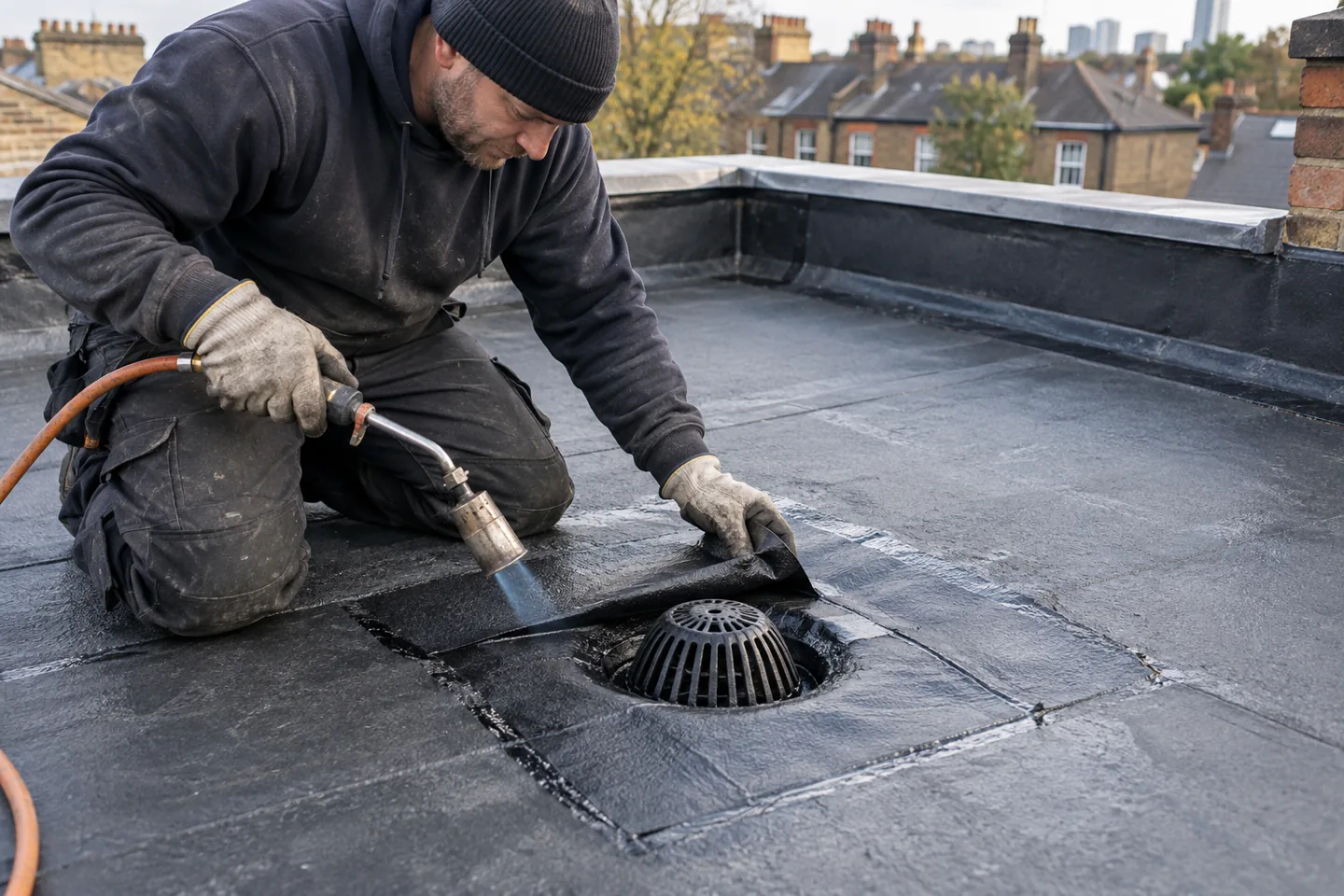
Failed laps, damaged upstands and leaking outlets need a repair that suits the existing flat roof covering.
Explore service ↗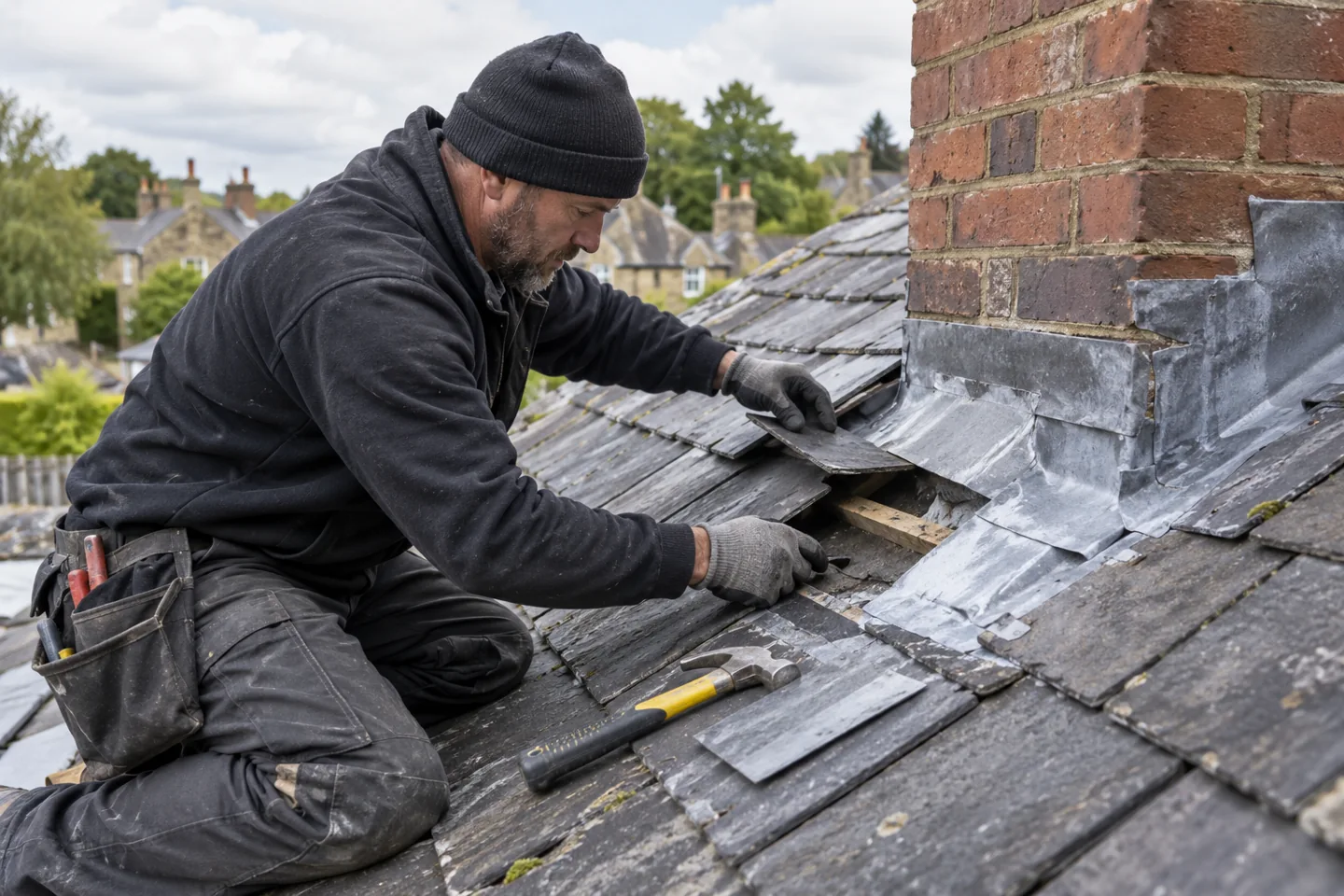
Follow the water path from the roof covering to the ceiling stain, then repair the point where rain is entering.
Explore service ↗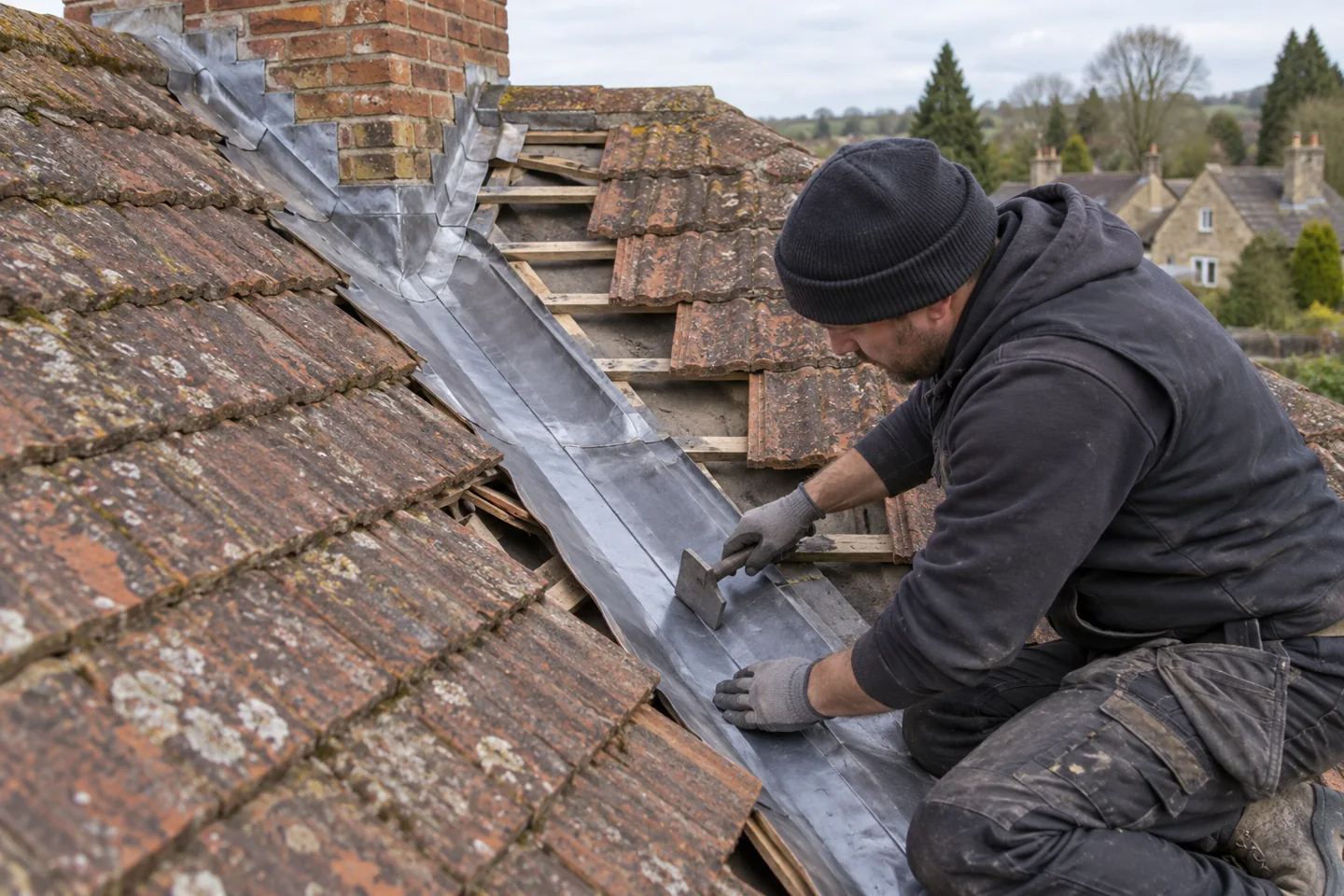
Restore the channel between two roof slopes when splits, debris or displaced tiles interrupt the rainwater route.
Explore service ↗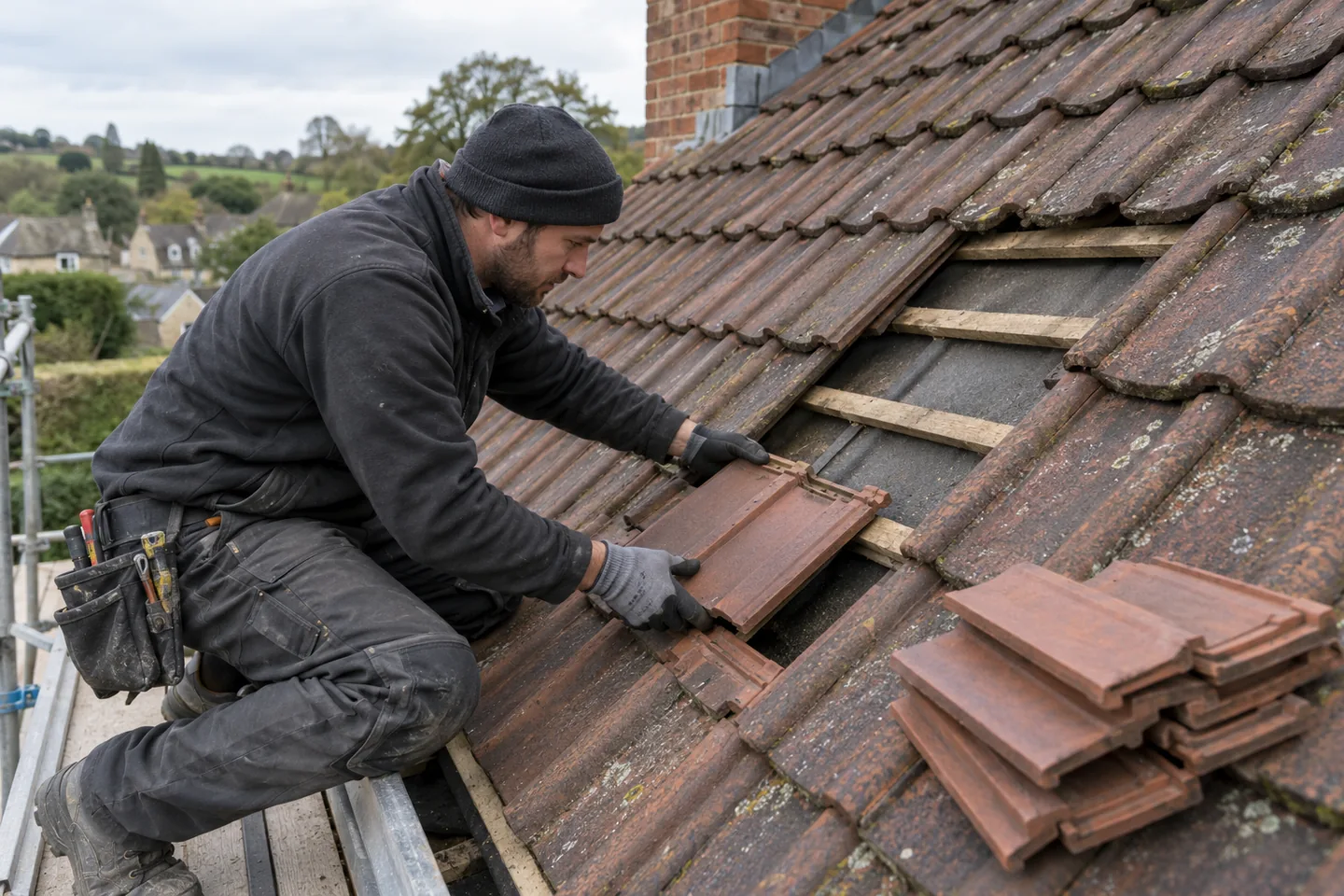
Replace broken or displaced tiles and check why they moved, including nearby fixings and the exposed underlay.
Explore service ↗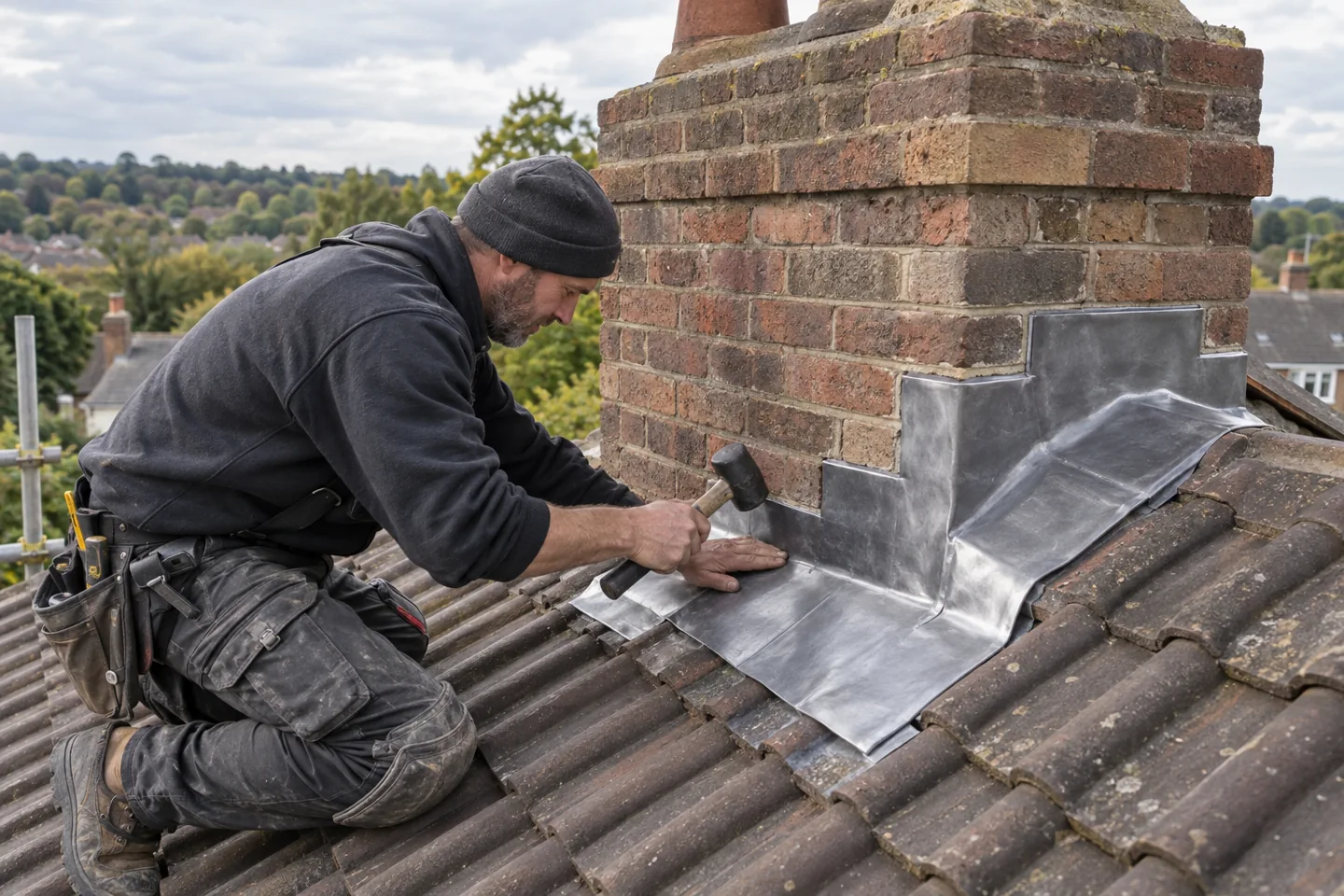
Repair the weathering where chimney masonry meets the roof, including lead soakers, cover flashing and the chase.
Explore service ↗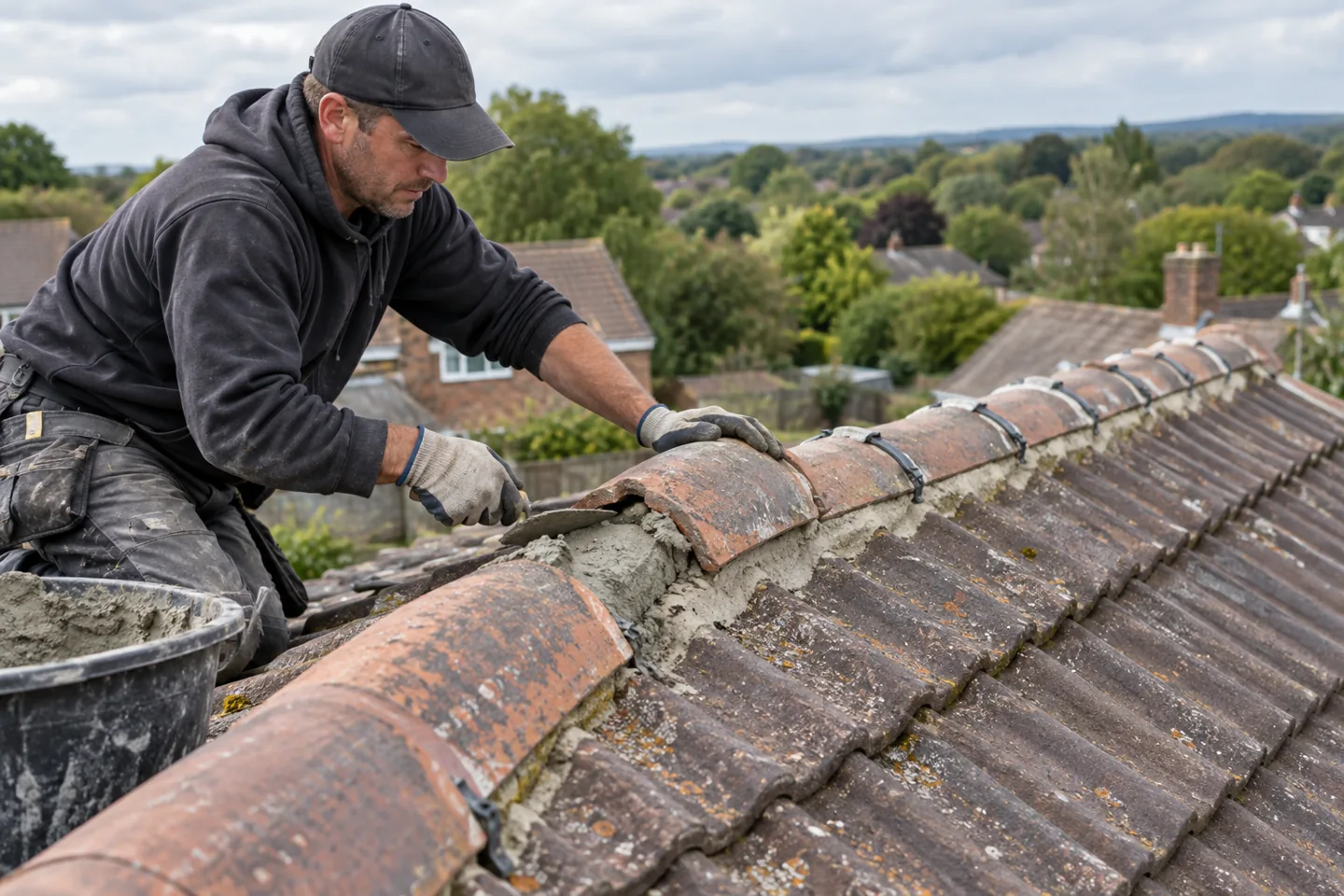
Check loose ridge tiles, failed mortar bedding and damaged dry-ridge components along the roof apex.
Explore service ↗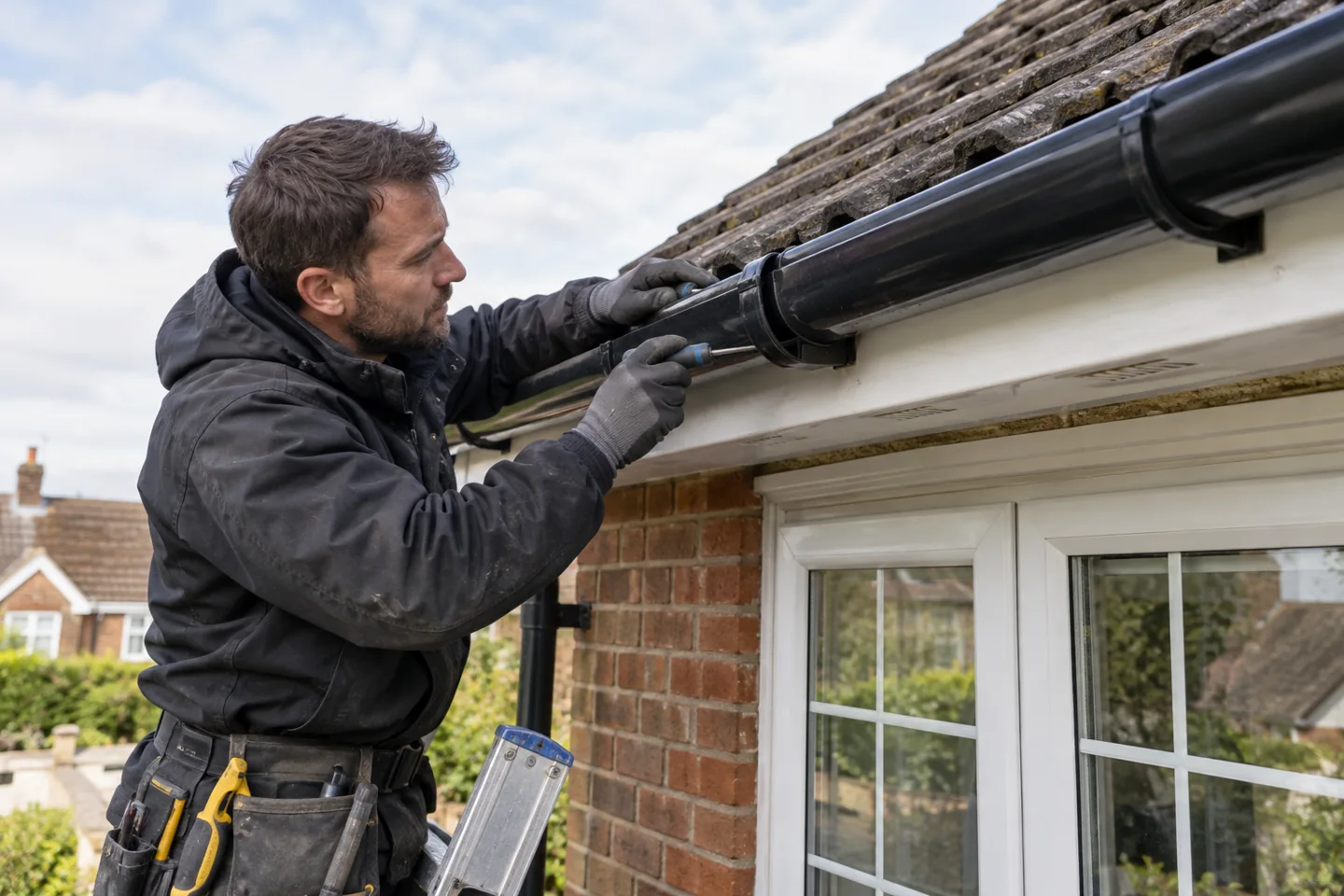
Put leaking joints, sagging runs and poor outlet connections right so rainwater leaves the eaves correctly.
Explore service ↗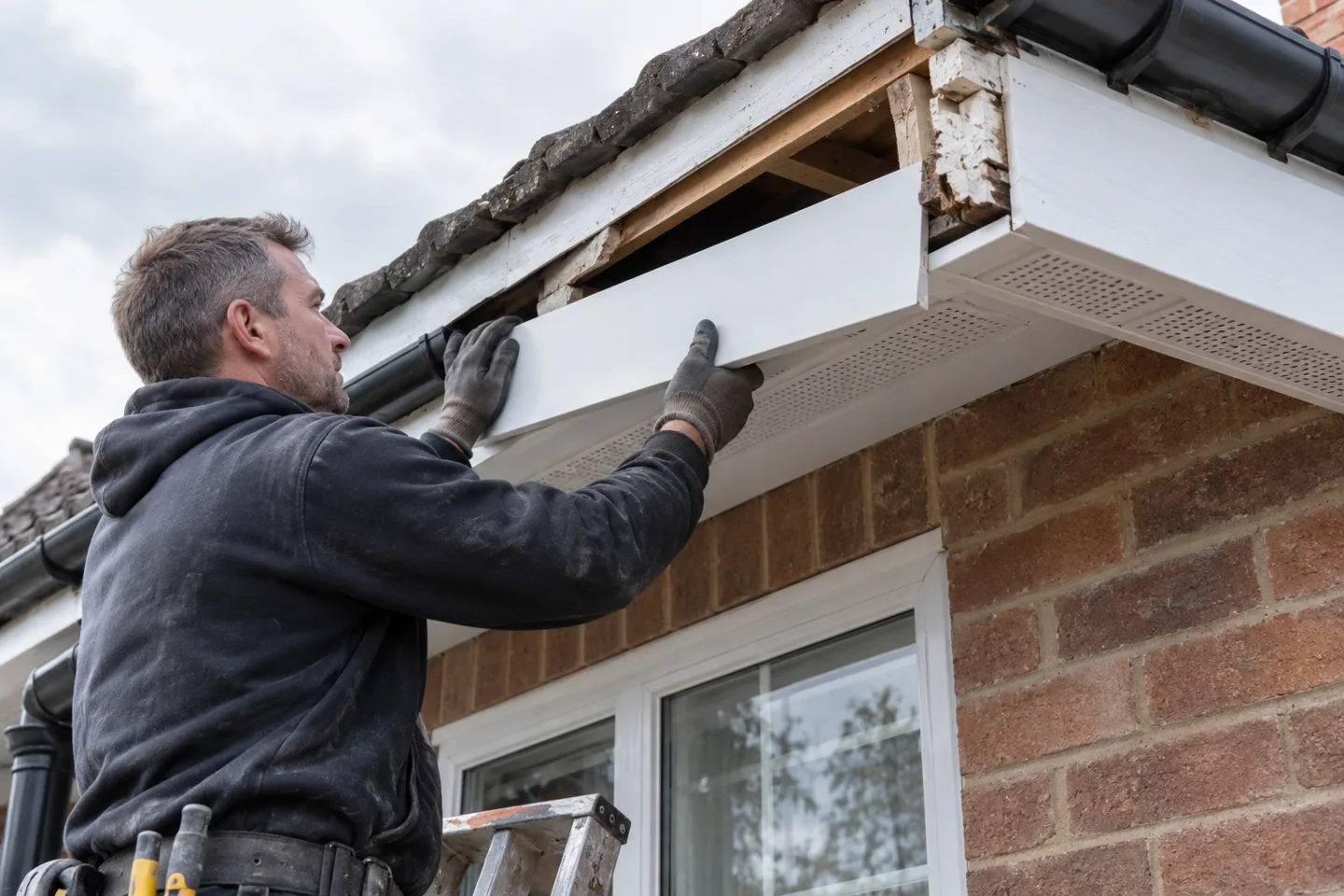
Renew damaged eaves boards and panels while keeping gutter supports and ventilation details in working order.
Explore service ↗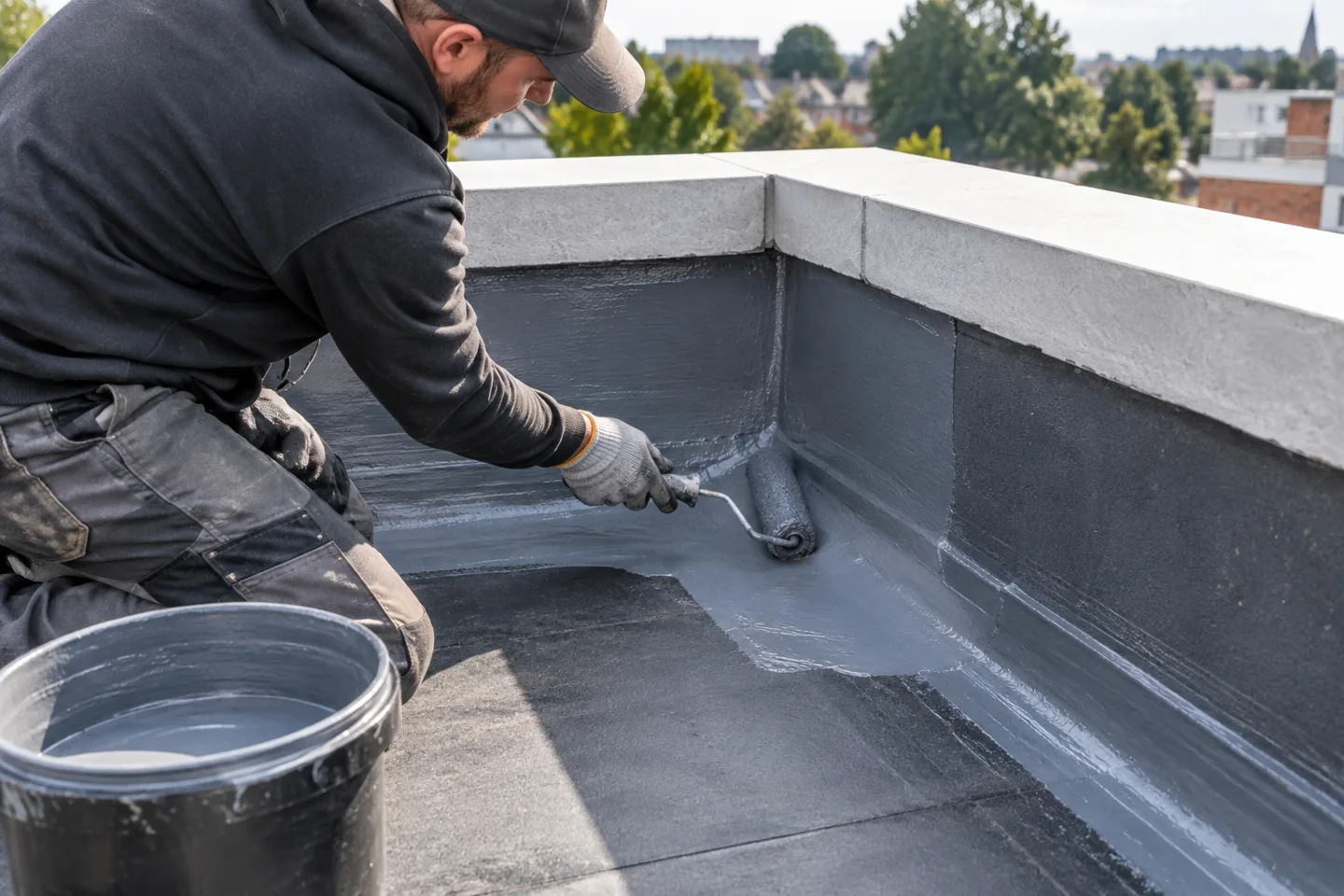
Assess whether a compatible waterproofing treatment can protect a sound roof surface after local defects are repaired.
Explore service ↗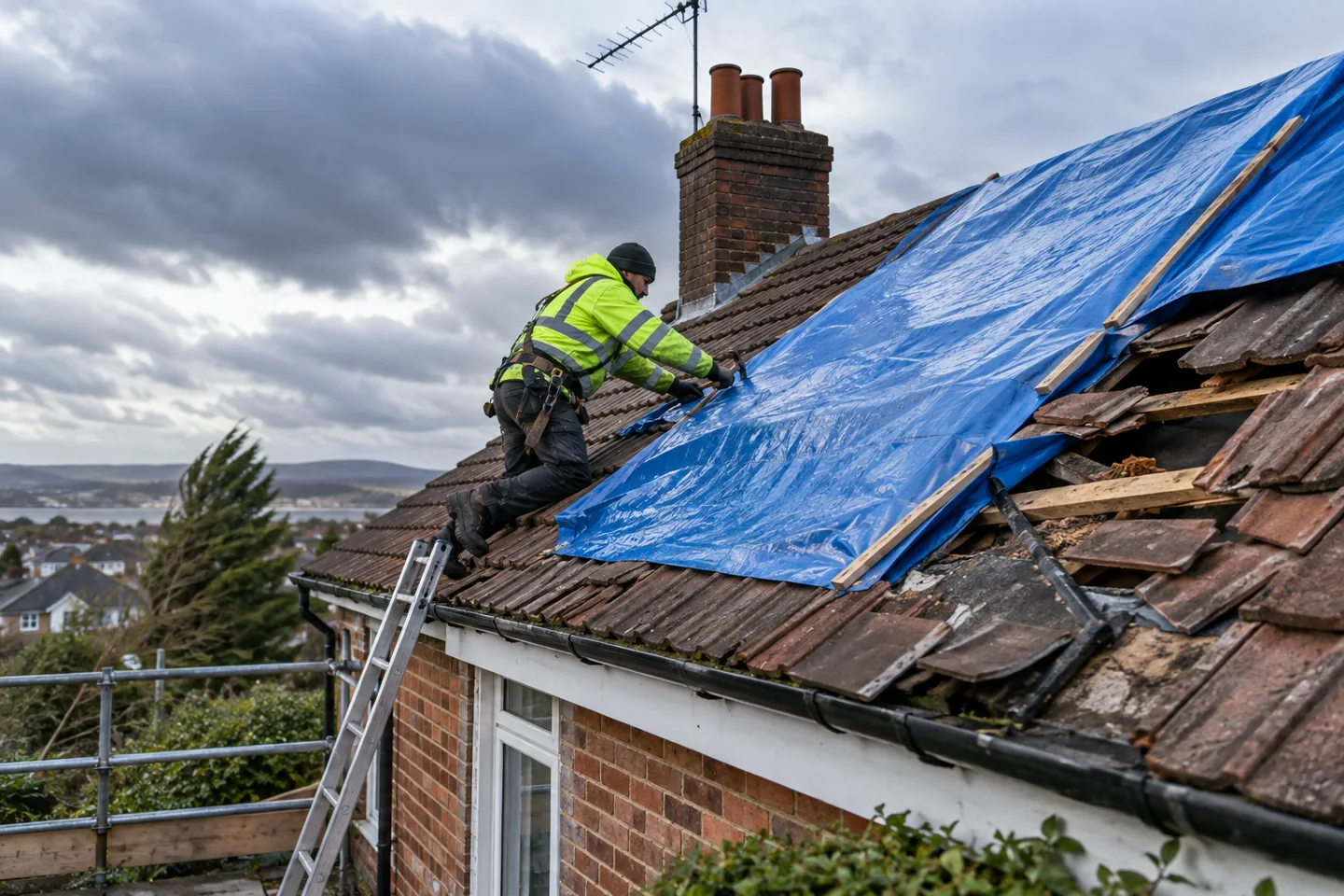
After wind or impact damage, identify loose coverings, protect exposed areas and plan the permanent roof repair.
Explore service ↗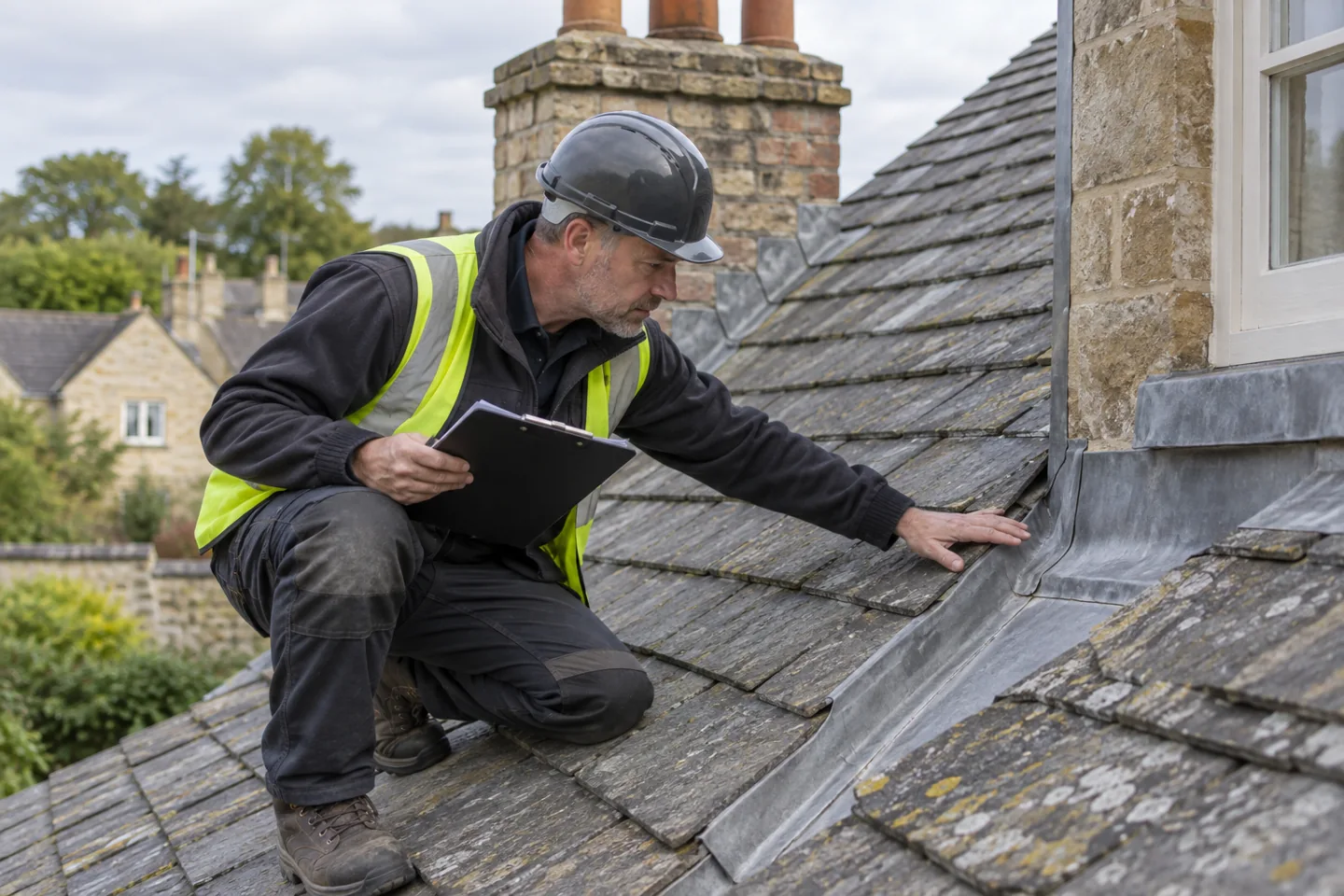
Understand the condition of visible roof coverings, junctions and drainage before deciding which repairs to arrange.
Explore service ↗Have your postcode, roof photographs and access details ready when you call.